Human Resources has traditionally been viewed as a people-oriented function, focusing on recruitment, employee relations, and compliance. However, with the rise of data science, HR has evolved into a strategic, data-driven discipline capable of transforming workforce management and decision-making. By leveraging analytics, machine learning, and predictive modeling, HR departments can make smarter, evidence-based decisions that improve performance, reduce costs, and enhance employee satisfaction.
 Data Science can Transform HR
1. Data-Driven Recruitment
Recruitment is one of the most resource-intensive HR processes. Data science streamlines this through predictive analytics and natural language processing (NLP) tools that analyze resumes, assess candidate fit, and even predict job success probabilities. Machine learning algorithms can rank applicants based on historical hiring data, identifying traits and experiences linked to high performance.
Key Benefits:
- Reduced time-to-hire and cost-per-hire
- Objective candidate evaluation
- Improved quality of hire through predictive modeling
2. Employee Retention and Attrition Prediction
High employee turnover costs organizations thousands of dollars per person. Using predictive analytics, HR can identify early indicators of attrition; such as declining engagement scores, absenteeism, or reduced performance metrics. Machine learning models can predict which employees are at risk of leaving and why.
Key Benefits:
- Proactive retention strategies
- Improved employee satisfaction and morale
- Lower turnover and recruitment costs
3. Performance Management and Workforce Optimization
Traditional performance reviews often rely on subjective assessments. With data science, HR can analyze metrics like productivity, project completion rates, and peer feedback to build performance dashboards. Advanced models can correlate individual performance data with business outcomes, identifying high performers and training needs.
Key Benefits:
- Objective performance measurement
- Personalized development plans
- Better alignment of talent with business goals
4. Compensation and Benefits Analysis
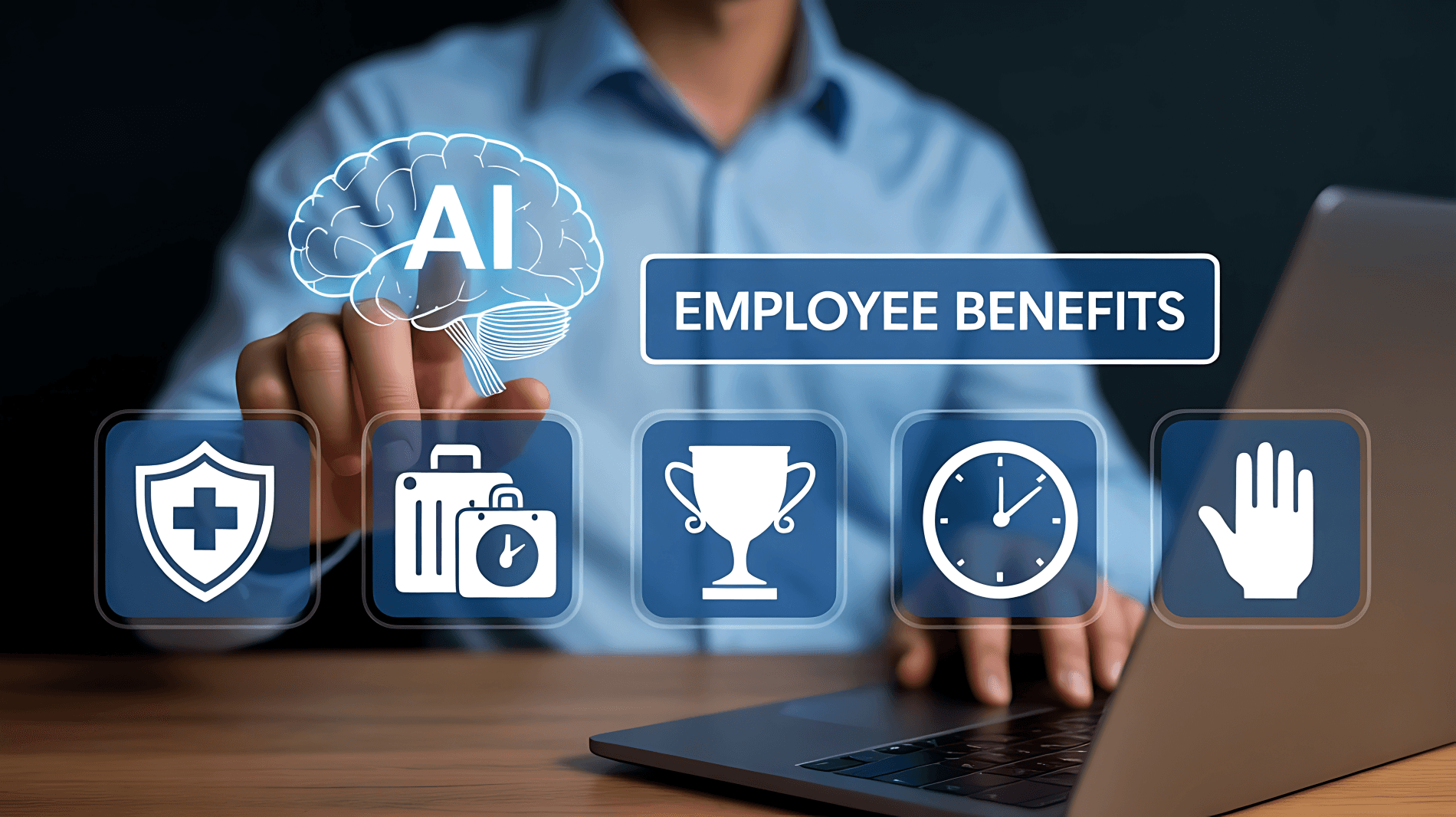 Data Science for Benefits AnalysisHR
Data-driven compensation analysis allows HR to evaluate pay equity, market competitiveness, and performance-based reward structures. Through regression analysis and cluster modeling, HR can design fair, competitive compensation packages that attract and retain top talent while minimizing pay disparities.
Data Science for Benefits AnalysisHR
Data-driven compensation analysis allows HR to evaluate pay equity, market competitiveness, and performance-based reward structures. Through regression analysis and cluster modeling, HR can design fair, competitive compensation packages that attract and retain top talent while minimizing pay disparities.
Key Benefits:
- Improved pay equity and transparency
- Optimized reward structures
- Reduced turnover from compensation dissatisfaction
5. Employee Engagement and Sentiment Analysis
Using NLP and sentiment analysis, HR teams can analyze employee feedback from surveys, emails, or chat messages to measure engagement and detect potential cultural or morale issues. Text analytics can uncover trends that traditional surveys might miss, allowing HR to take corrective actions early.
Key Benefits:
- Real-time engagement tracking
- Enhanced company culture
- Data-driven decisions for workplace improvements
6. Learning and Development Analytics
By integrating learning management systems (LMS) with analytics platforms, HR can measure training effectiveness and skill development across the workforce. Recommendation algorithms can personalize learning paths, ensuring that each employee receives targeted, relevant training.
Key Benefits:
- Personalized employee learning experiences
- Measurable training ROI
- Skill gap identification and closure
7. Diversity, Equity, and Inclusion (DEI)
Data science enables HR to monitor and improve diversity metrics using dashboards and advanced analytics. Predictive models can identify bias in hiring, promotion, and performance data, helping organizations build more equitable workplaces.
Key Benefits:
- Data-backed DEI initiatives
- Reduced bias in decision-making
- Enhanced reputation and compliance
8. Strategic Workforce Planning
By combining historical HR data with external labor market trends, HR leaders can forecast future workforce needs. Predictive modeling helps organizations anticipate skill shortages, retirement rates, and evolving role requirements, allowing them to plan proactively.
Key Benefits:
- Future-ready workforce planning
- Improved agility in talent acquisition
- Reduced disruption from workforce gaps
Final Thoughts
Data science is reshaping HR from a reactive support function into a strategic driver of business performance. By harnessing analytics, HR professionals can move beyond intuition and make evidence-based decisions that enhance recruitment, retention, productivity, and culture. The fusion of human insight with data-driven intelligence represents the next evolution of HR, one where people decisions are as precise and predictive as any financial model.
Written by:
Robert Hartung
Data Science Consultant – Hartung Solutions, LLC
Helping businesses transform HR through data-driven insights and AI analytics.